Cold Stratification: The Sequel
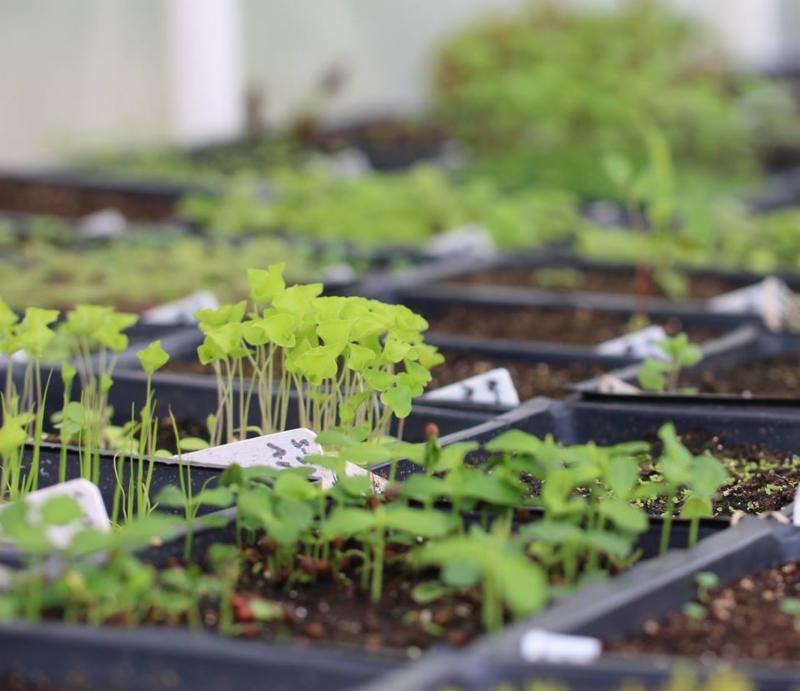
In last month's blog, we talked about germinating wildflower seeds: specifically, about cold stratification, and boy did you guys have questions! Now that the cold weather has finally broken, we thought it would be a good time to go a little more in-depth and take the time to answer some of the questions you guys sent us...
Question 1: "Does seed need to freeze in order to cold stratify?"
The short answer: it does not! Freezing temperatures simply put seeds into a state of stasis, even when moisture levels are high, so seeds that are outdoors in the middle of winter aren't really doing much of anything at all. This protects the seed from accidentally starting to grow on a nice warm day in mid-December, for example, (which would be disastrous for most species) and keeps them on schedule to grow in the spring as the soil warms. In late winter and early spring the soil is cold and moist, not frozen: these conditions, not midwinter freezes, are the conditions seeds need to cold stratify. Most cold stratification takes place in late winter/early spring, rather than midwinter!
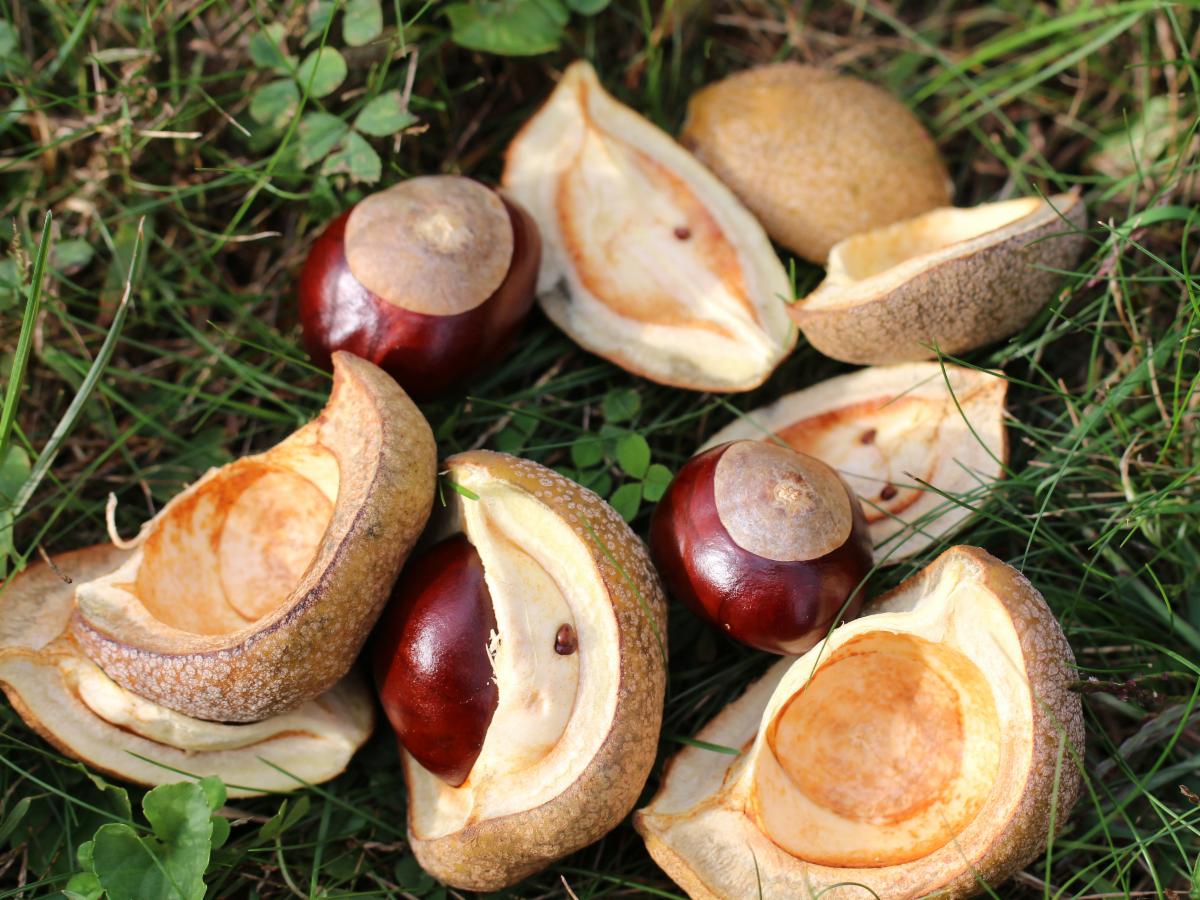
Not every native plant seed requires cold stratification, either. There are actually several different treatments that seeds sometimes need before being planted. Others don't need any treatment at all (this is true of all mountainmints, for example), and some, like these Yellow Buckeye (Aesculus flava) seeds, actually have to be planted fresh- if they dry out, the seed dies, so they have to find their way into the ground right away.
Question 2: "Is it too late to cold stratify seeds this year?"
Not at all! Different native plant species have different cold stratification requirements. Some require as little as 3 weeks of cold stratification, whereas most species require 6, or 8, 12, or more weeks. Here in February, certainly in the mid-Atlantic states, the soil is still pretty cold - for most of us this year it is still covered in snow. Remember, cold stratification relies on soil temperature, not air temperature! And soil warms in the spring much more slowly than the air does. We talked last time about different resources online where you can find out the soil temperature where you are, but here are those links again:
Greencast Online (Soil temperature map with search function and historical data, also with soil moisture data available)
Rutgers Online Maps (Northeast/NJ focused, map with a number of different filters including soil moisture and temperature)
NOAA Soil Temperature Map (Upper-Midwest focused, soil temperature map)
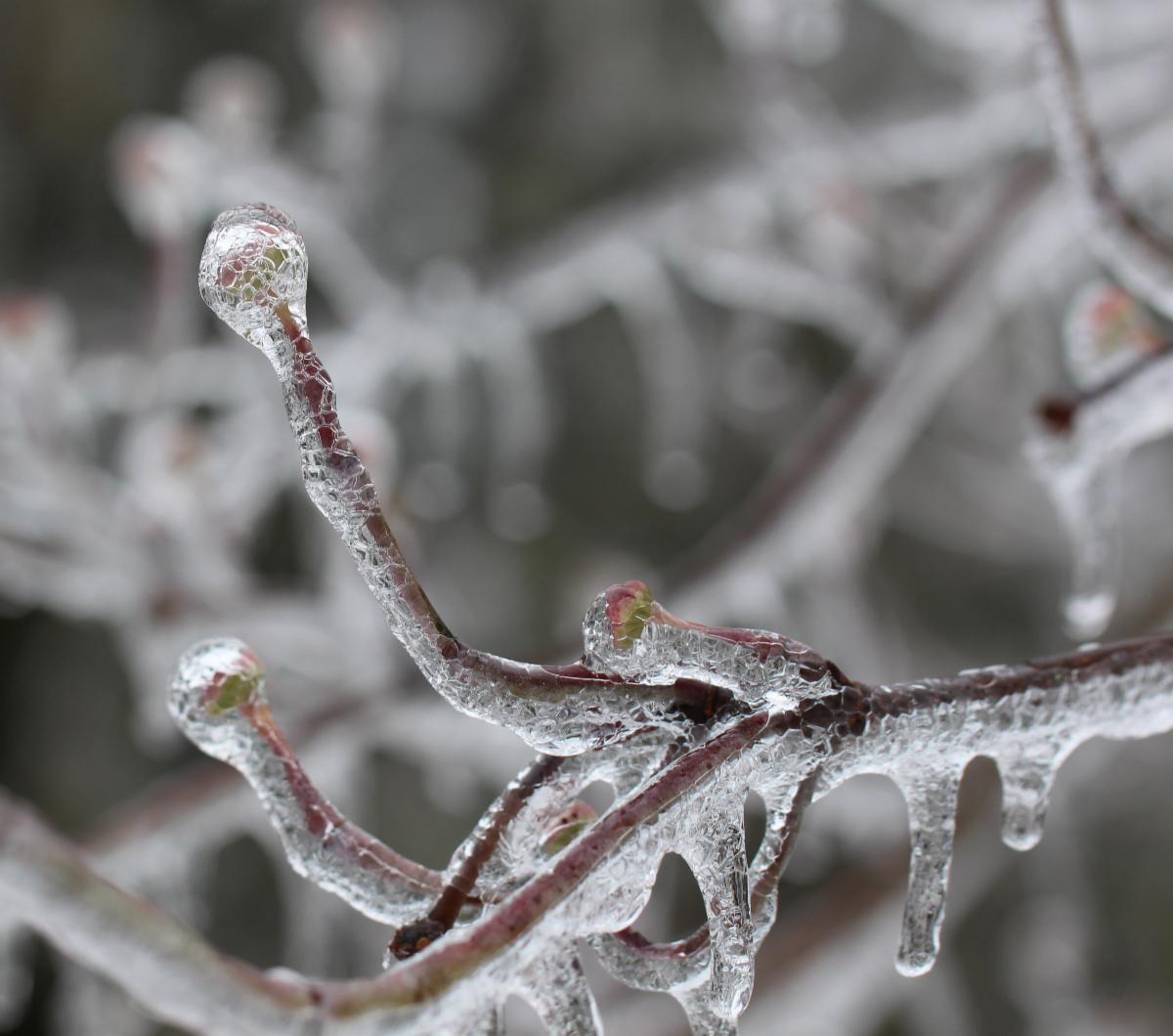
Most plants out there are still waiting patiently for a slightly more convincing indicator of spring than this.? Flowering Dogwood (Cornus florida)
Question 3: "But what if I live in the south, or if my soil temperature is already above 40 degrees F?"
Consider this: Hollow Joe Pye Weed (Eutrochium fistulosum) seeds germinate best after 8 weeks of cold stratification. And when you look up cold stratification temperatures online, you'll generally find the recommended target temperature for cold stratification to be between 33-40 degrees F. But Hollow Joe Pye Weed is native all the way down to the deep South, including parts of the Gulf Coast such as Mobile, Alabama, and if you look up the soil temperature for Mobile, you'll find that it barely ever drops below 40 degrees F! So what the heck is going on? How do those seeds cold stratify for 8 weeks in a place where the soil temperature generally doesn't drop below 40 degrees F at all, if they need soil temperatures below 40 degrees F to stratify? The answer, troublesome as always, is nuance. To be frank, 33-40 degrees F is a very specific temperature range, and it corresponds to...well, the standard temperatures inside a refrigerator. Where do most people (including researchers) conduct controlled indoor cold stratification? If you guessed "in a refrigerator," you would be correct. That doesn't make 33-40 degrees F a bad answer, but it does make it a little overly prescriptive: that range is undoubtedly wider than we generally give it credit for--otherwise, how would any of this work in the south? The fact of the matter is, many seeds cold stratify at temperatures well beyond 40 degrees F (throughout the spring), and respond very well to soil temperature fluctuations, aka spring, in real world conditions. Now, to be fair, the local ecotype of Hollow Joe Pye Weed around Mobile is adapted to growing in Mobile, with the standard yearly temperatures that implies, and may be accustomed to a shorter period of cold stratification than our own local New Jersey ecotype. Even our ecotype sprouts best with 8 weeks of cold stratification, but if it gets a bit less than that, some of the seeds will still grow (this flexibility is especially true with seed species we've marked as 'easy' or 'very easy'). In all honesty, cold stratification times and temperatures are a little bit like the pirate code: more what you'd call 'guidelines' than actual rules.
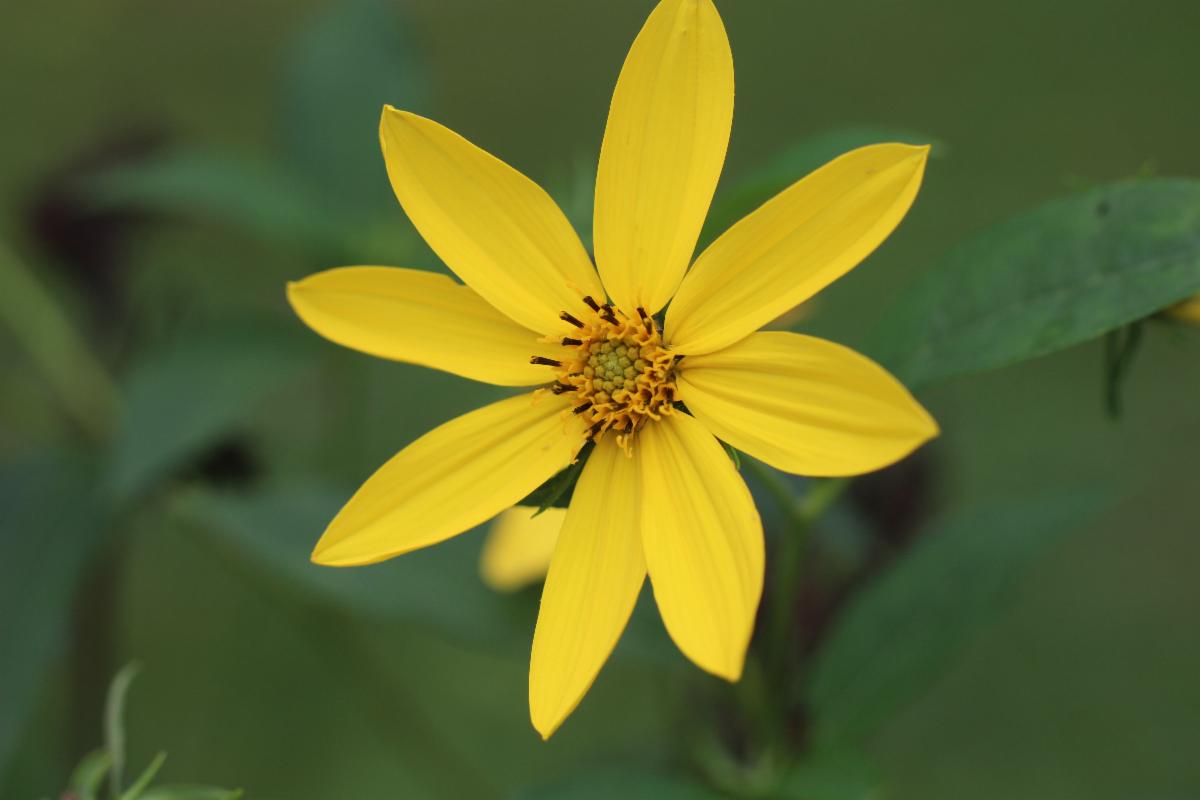
What's a rule to a plant? Plants, and biology in general, tend not to read the textbook. (Ten-Petal Sunflower, Helianthus decapetalus ...but how many petals does it actually have?)
With that said, if you live in the south and you're worried that your soil won't be cool enough for long enough to cold stratify your seeds properly (especially if you're buying seeds from a more northern seed source, with a more northern ecotype), you can always cold stratify your seeds in your refrigerator for the suggested period of time (in a pot or ziplock baggie of moist soil-not in the dry seed packet: putting the dry packet in the fridge is a great way to store them, but it won't stratify them -- we have information about how to do that posted on our web site here). If your seeds end up finishing their germination period a little later in the spring than seeds that germinated outside, that's fine! They just have to be big enough by autumn to survive next winter, and in the south, the same thing that's giving you cold stratification timing headaches now will help you out on that front: you have an extra-long growing season. Even if you cheat a little bit on the front end of that growing season by getting your seeds started late, they'll likely have more than enough time to grow big enough to survive next winter. People tend to get jumpy this time of year in regard to cold stratification times, but in reality, starting wildflowers from seed is a slightly flexible game.
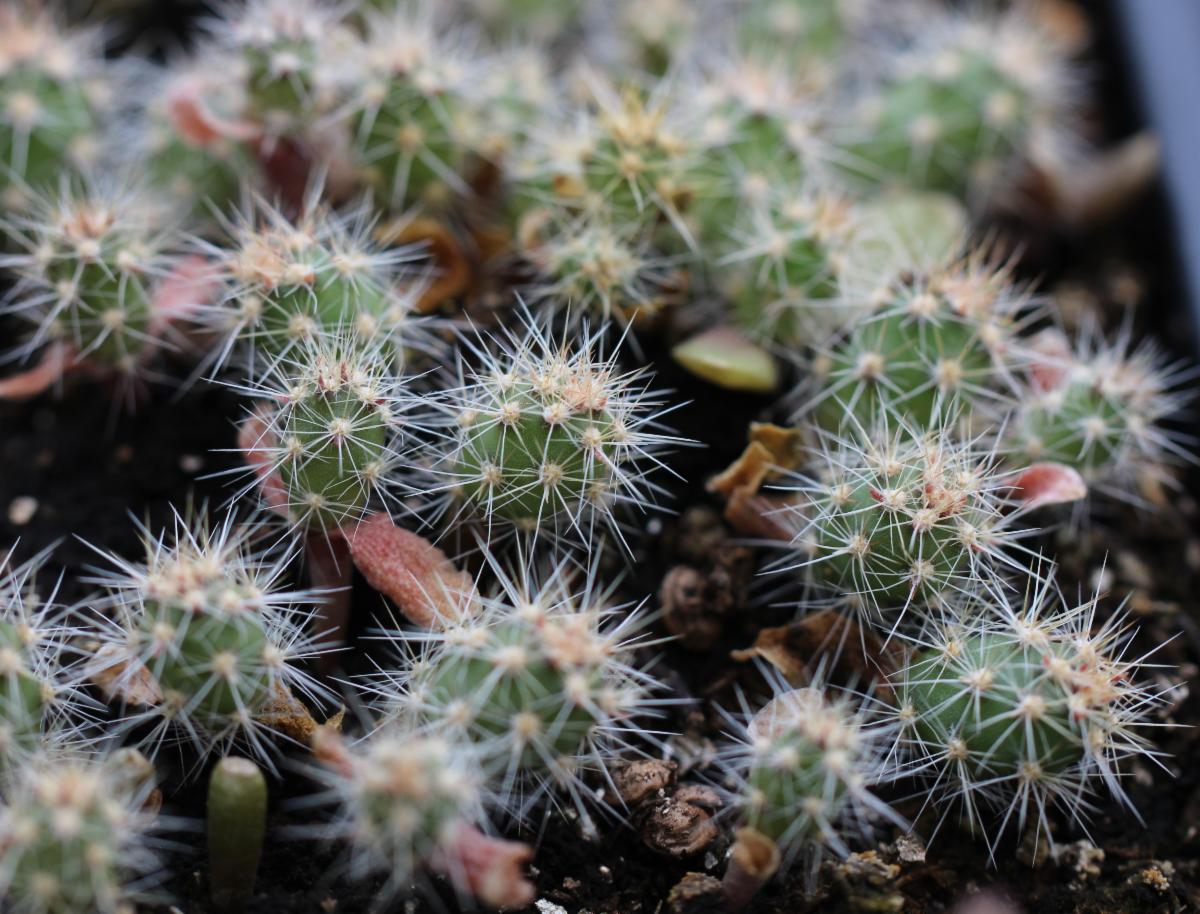
Ever seen native cactus seedlings before? They're kind of adorable. Eastern Prickly Pear Cactus (Opuntia humifusa)
A Few More Tips:
As with many things, the primary takeaway for starting native plants from seed is this: don't let perfectionism get in the way of starting. Sure, it is absolutely a good idea to plan ahead (ask me what I know about starting too many seeds and running out of garden space sometime), and pre-treatment like cold stratification definitely requires some strategizing so that you get the seeds in the ground at about the right time, but gardening is also a delightfully 'learn as you go' endeavor. You'll generally learn more (and what you learn will be more relevant to your circumstances) by giving it a try than you'll learn by assuming it's too late to start for the year and deciding to wait until next spring. After all, there is plenty of spring left, and weeks and weeks of cold soil, wherever you are. If you miss 'the deadline' and decide to wait a full year to even attempt planting seeds so that you'll be able to start the seeds at the precise right time, you may be setting yourself up for a much more frustratingly high-stakes first attempt than approaching the whole endeavor with a "well, let's just see what we can do!" attitude from the start. Remember -- there is more to starting seeds than cold stratification. Perhaps your cold stratification timing is spot-on, but because you haven't tried starting seeds before, you don't know what the soil moisture level should be (moist, not wet), or you don't realize how important good seed contact with the soil is (very), or you don't know how deep the seeds should be (it depends on the species -- check the specific label -- but no deeper than the diameter of the seed is a good rule of thumb). Pre-treatments are important, but they're not whole of the seed-starting process, and it's always good to take an opportunity to learn...plus, it's more fun that way!
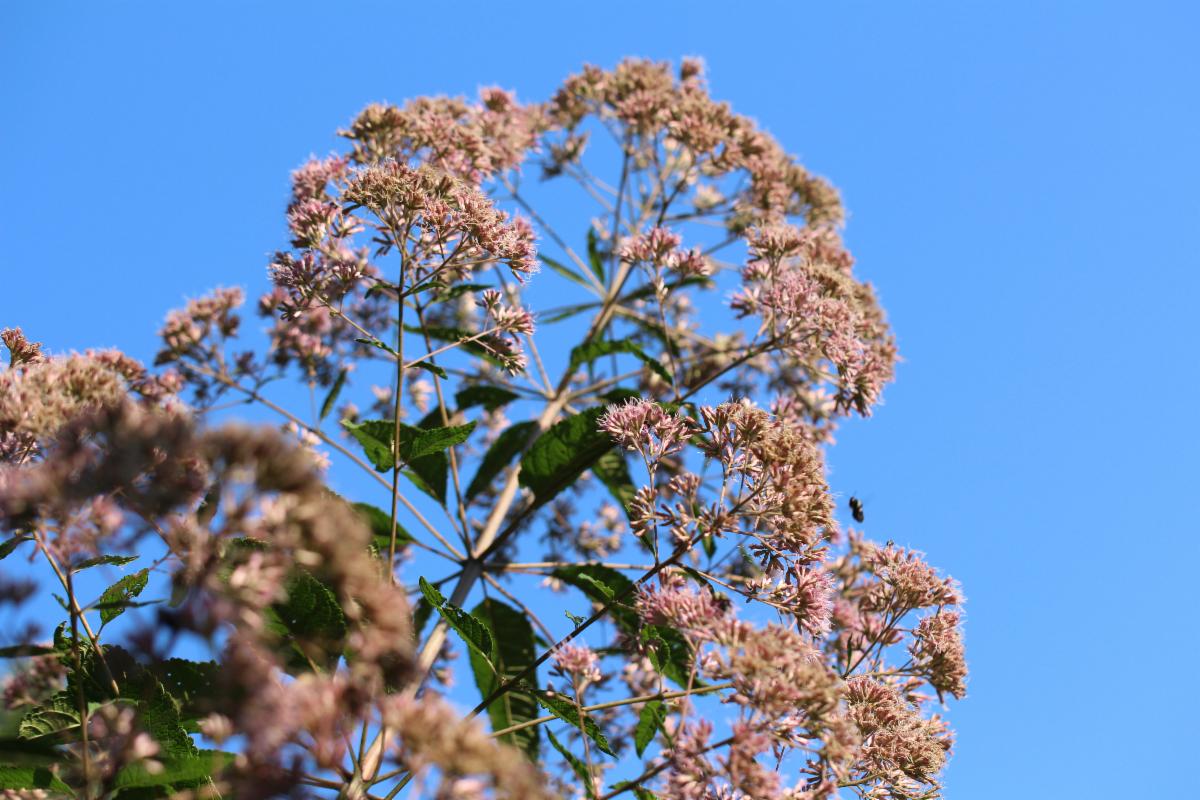
So make like a Hollow Joe Pye Weed in Alabama and find out what works for you! After all, learning is part of the journey. (Eutrochium fistulosum)