Holiday Season Is Here!
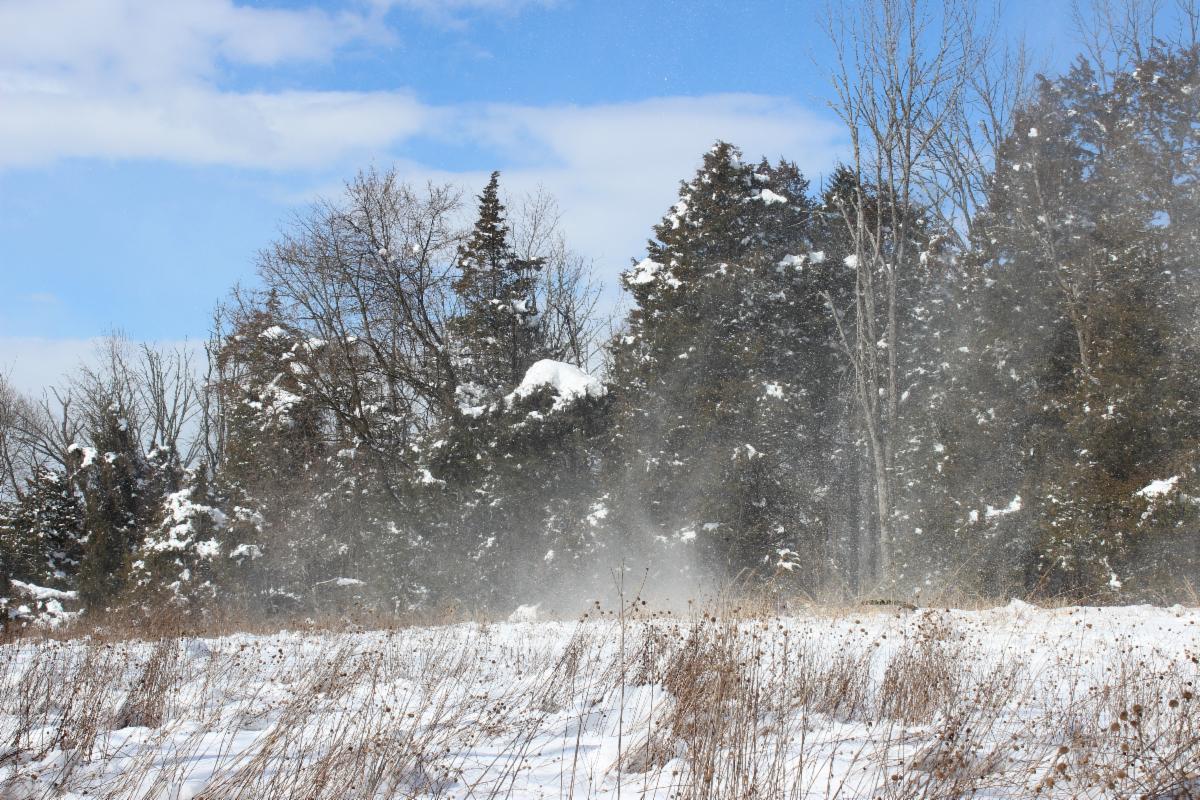
It's the first real snow of winter out there, and every year it's a delight to see how snow transforms the landscape. It's just as dramatic and beautiful as the greening of plants in the spring, but much more abrupt: one morning you simply wake up and the world looks entirely different outside. No wonder people tend to refer to it as magical!
Winter Sights and Why They Matter
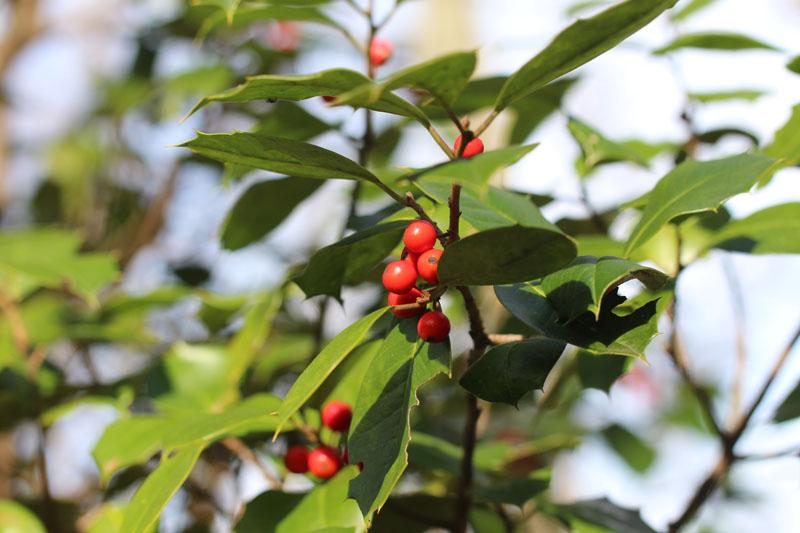
Many classic symbols of the holidays are simply plants that stay green over the winter: after all, who doesn't like seeing signs of life when most plants have gone dormant? But in some cases, there's more to it than that. Some plants, like the various species of holly (Ilex spp.), seem to come into their element in the wintertime. This isn't just appearance, either: hollies hold onto their berries for so long partly because the berries themselves don't ripen until quite late in the season. This makes them a valuable wintertime food source for birds and wildlife, and gives hollies a leg up in spreading their seed over the winter.
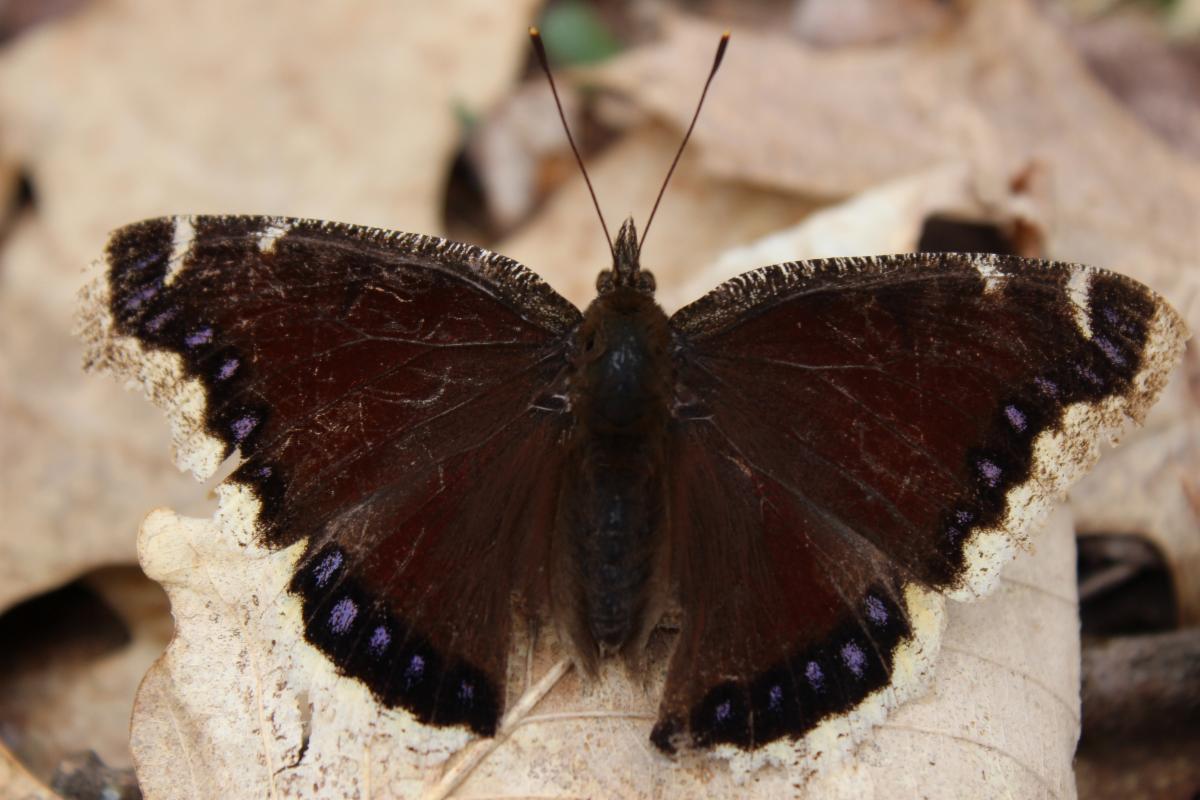
And it's not just plants that are more active this time of year than you'd expect, either. There are plenty of animals out there, too, even including some insects like this Mourning Cloak butterfly! This species overwinters as adult butterflies, so on warm winter days you can sometimes see them flying around wooded areas, although they have a knack for vanishing into the leaves as soon as they land. After all, they have good reason to camouflage - they're not the only things fluttering around in the woods! Wintertime is a very active time for many species of birds, many of which, like nuthatches and woodpeckers, keep their wintertime energy up by eating insects.
.jpg)
Much in the same way we tend to eat cookies this time of year, birds seek out high-energy foods to get them through the winter, especially foods high in fat like seeds, nuts, and insects. But where do they find enough food to eat when there's snow on the ground? Many birds find what they need in trees, some scouring the nooks and crannies of tree bark and twigs for signs of overwintering insects, and others going straight to the source and using the tree itself for food. For example, Cedar Waxwings (among many other types of bird) tend to prefer fruit in the winter, and will actively seek out trees still holding fruit, like native hollies and junipers such as Eastern Redcedar (Juniperus virginiana), (technically, these blue cedar "berries" are actually cones. Isn't nature weird?).
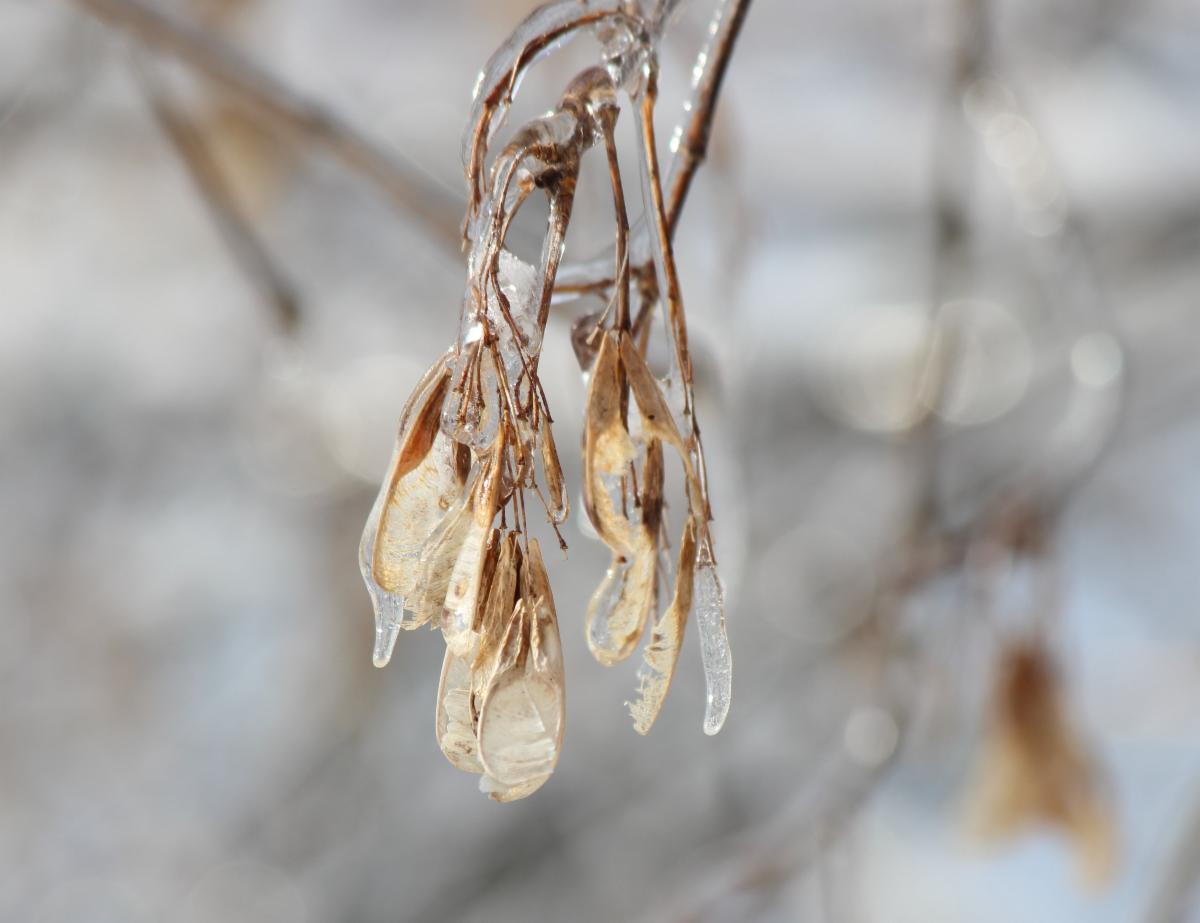
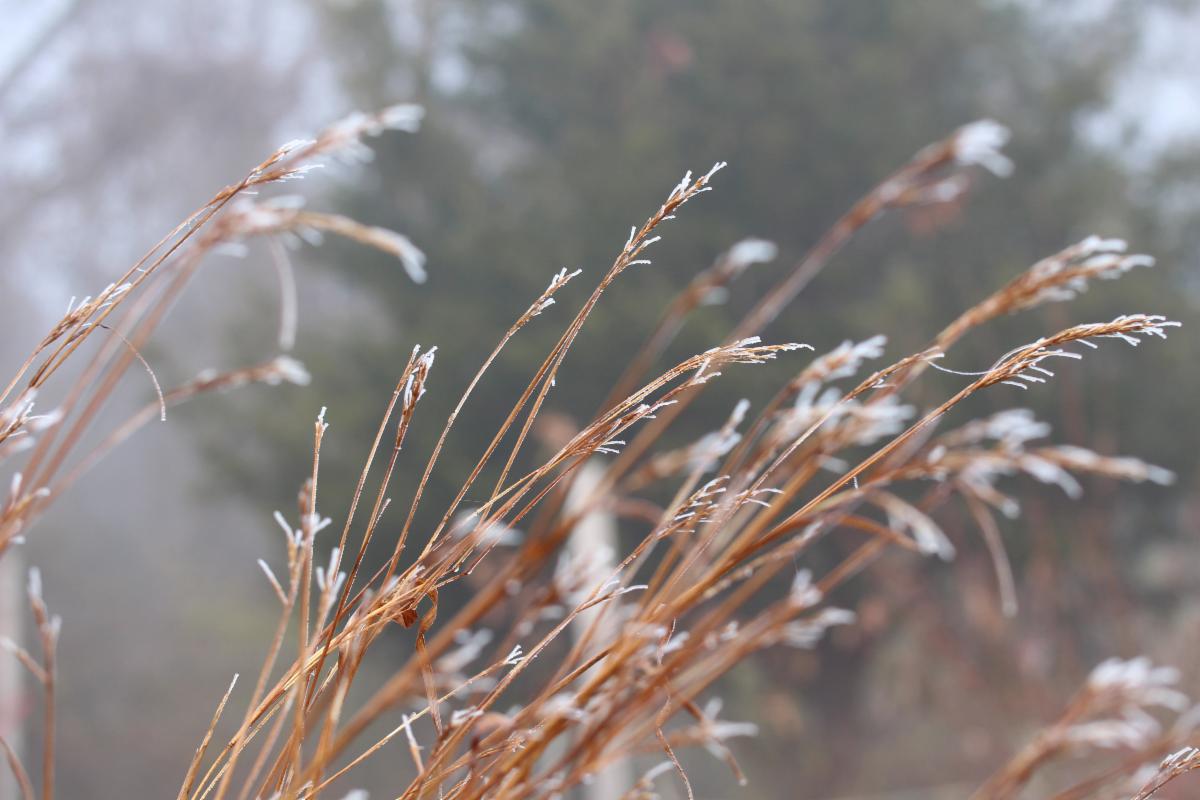
There are also a wide variety of birds who seek out smaller (or lower-effort) seeds. Mourning Doves tend to hang out underneath overhangs of River-Oats (Chasmanthium latifolium) waiting for the seedheads to shatter and drop their seeds to the ground, and other birds like chickadees and titmice pluck seeds directly from uncut seedheads poking out of the snow, leaving any detritus to be cleaned up by small birds like juncos that prefer to eat on the ground. Everyone gets something, and many of them take shelter from storms in trees and in low areas full of stems, where food is available and there's good shelter from the wind. This is another reason not to cut back your garden in the fall!
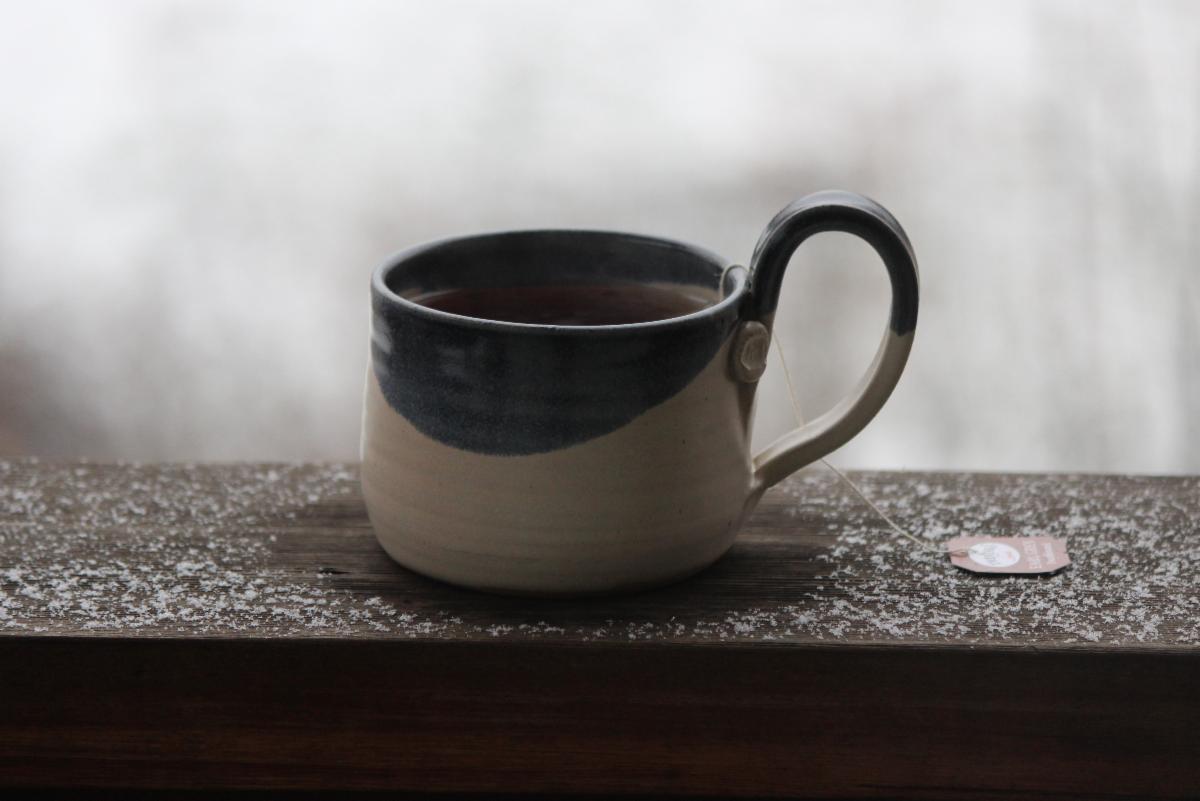
Winter's quite a bit livelier than we tend to think, and in many ways, it's nice to know that! There's a certain kinship to be had with nature this time of year: seeking out high-energy sweets and prioritizing staying warm isn't just seasonal for people, it's also what all of the active animals outside are doing. So have a hot drink and some butter cookies: it's only natural!